Mauli Multispeciality Clinic
Shop No. 1, Tara Banglow, Near Shri Sai Shyam Mandir, Hendre Pada, Badlapur West, Maharashtra 421503
Call Us
(+91) 9225128191
Email Us
dravinashbhise@gmail.com
(+91) 9225128191
dravinashbhise@gmail.com
Varicose Vein Treatment
Varicose Vein Treatment
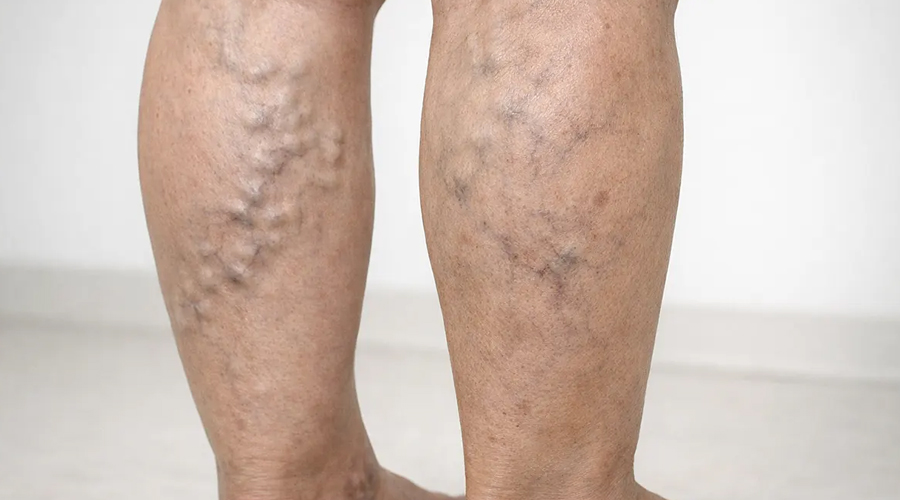
Varicose veins are enlarged, twisted, and bulging veins that most commonly appear on the legs. They develop when the valves inside the veins weaken or fail, causing blood to pool and veins to dilate. Beyond cosmetic concerns, varicose veins can cause pain, swelling, and skin changes, and if left untreated, may lead to serious complications.
Symptoms of Varicose Veins
Visible dark purple or blue twisted veins beneath the skin surface.
Aching, heavy, or uncomfortable legs — especially after prolonged standing.
Burning, throbbing, muscle cramping, or swelling in the lower legs.
Itching around the affected veins.
Skin discolouration, hardening, or ulceration around the ankle in advanced cases.
Bleeding from varicose veins following minor injury.
Treatment Options
Compression stockings: The first-line conservative measure to improve blood flow and relieve symptoms.
Sclerotherapy: A chemical solution is injected into the varicose vein, causing it to scar and close off. Suitable for smaller varicosities.
Endovenous Laser Treatment (EVLT): Laser energy is delivered inside the vein via a thin fibre to seal it shut. Minimally invasive with quick recovery.
Radiofrequency Ablation (RFA): Radiofrequency energy heats and closes the affected vein from within.
Surgical ligation and stripping: The affected vein is tied off and removed through small incisions. Used for large or complex varicose veins.
Phlebectomy: Small varicose veins near the skin surface are removed through tiny punctures.
Recovery After Varicose Vein Treatment
Most minimally invasive procedures allow return to normal activities within a few days.
Wear compression stockings as instructed for the recommended duration.
Walk regularly to aid circulation and reduce the risk of blood clots.
Avoid prolonged standing or sitting in the initial recovery period.
Attend follow-up appointments for duplex ultrasound assessment of treatment success.
Contact your doctor if you experience increasing pain, swelling, redness, or hardness along a vein after treatment.