
Mauli Multispeciality Clinic
Shop No. 1, Tara Banglow, Near Shri Sai Shyam Mandir, Hendre Pada, Badlapur West, Maharashtra 421503
Call Us
(+91) 9225128191
Email Us
dravinashbhise@gmail.com
(+91) 9225128191
dravinashbhise@gmail.com
Laparoscopic Cholecystectomy
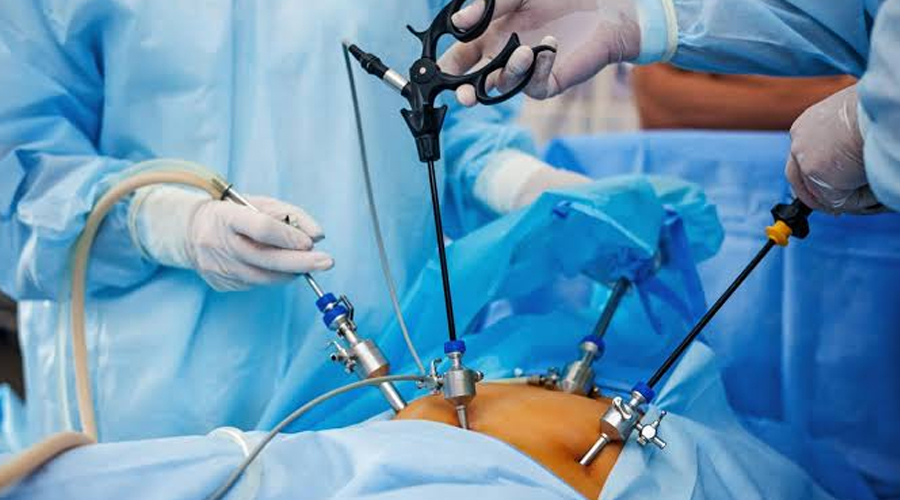
Laparoscopic Cholecystectomy
-
Pain in the upper right side of the abdomen.
-
Abdominal pain after meals, particularly fatty meals.
-
Pain that may spread to the back or right shoulder.
-
Nausea or vomiting.
-
Bloating or indigestion in some patients.
Important: Severe or persistent abdominal pain, fever, yellowing of the eyes or skin, or repeated vomiting requires urgent medical assessment.
How Is the Procedure Performed?
Laparoscopic cholecystectomy is usually performed under general anaesthesia.
-
Preoperative assessment: The surgeon reviews symptoms, medical history, blood tests, and imaging such as an abdominal ultrasound.
-
Small incisions: Small openings are made in the abdomen to introduce the laparoscope and surgical instruments.
-
Gallbladder removal: The surgeon carefully separates and removes the gallbladder.
-
Closure and monitoring: The instruments are removed, the incisions are closed, and the patient is monitored during recovery.
The exact surgical plan may vary depending on the patient's condition and findings during the operation. In some cases, conversion to open surgery may be necessary for safety.
Benefits of Laparoscopic Gallbladder Surgery
For appropriate patients, the laparoscopic approach may offer:
-
Smaller surgical incisions.
-
Less postoperative pain than open surgery in many cases.
-
Shorter hospital stay.
-
Faster recovery and return to daily activities.
-
Smaller scars.
Individual results and recovery times vary depending on overall health, the severity of the condition, and whether complications occur.
Recovery After Gallbladder Removal
Many patients return home the same day or after a short hospital stay, depending on their condition and the surgeon's advice.
During recovery, patients are generally advised to:
-
Follow the surgeon's wound-care and medication instructions.
-
Begin gentle walking as advised.
-
Avoid heavy lifting until medically cleared.
-
Gradually return to normal activities.
-
Eat balanced meals and adjust dietary fat intake if certain foods cause discomfort.
-
Attend follow-up appointments as recommended.
Seek medical advice if you develop fever, worsening abdominal pain, persistent vomiting, redness or discharge from the wound, or yellowing of the skin or eyes.