
Mauli Multispeciality Clinic
Shop No. 1, Tara Banglow, Near Shri Sai Shyam Mandir, Hendre Pada, Badlapur West, Maharashtra 421503
Call Us
(+91) 9225128191
Email Us
dravinashbhise@gmail.com
(+91) 9225128191
dravinashbhise@gmail.com
Abscess Drainage
Abscess Drainage
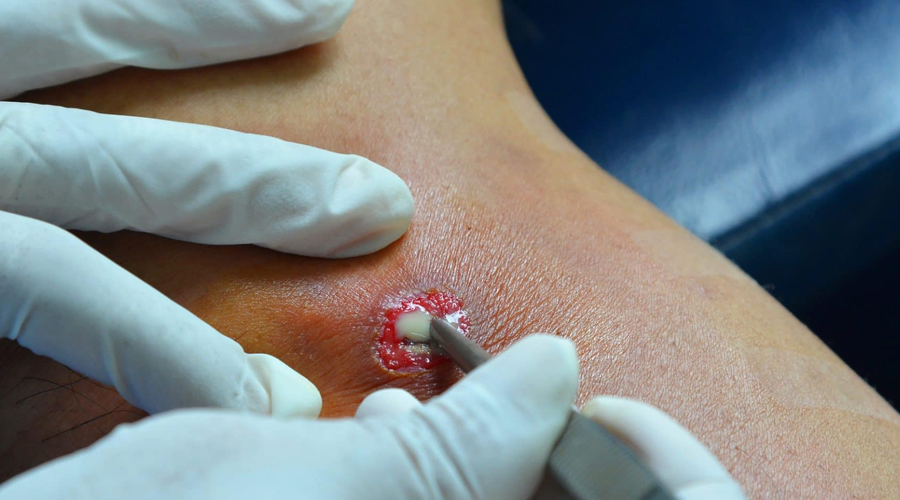
An abscess is a painful collection of pus that forms in body tissue as a result of a bacterial infection. Abscesses can develop anywhere on or in the body. The primary treatment is incision and drainage (I&D), which relieves pain and allows the infection to heal. Antibiotics alone are generally insufficient to treat an established abscess.
Symptoms of an Abscess
A tender, warm, swollen lump beneath the skin.
Redness of the overlying skin.
A feeling of fluctuance (fluid movement) within the lump.
Throbbing pain at the site.
Fever and feeling generally unwell in cases of spreading infection.
Spontaneous discharge of pus if the abscess ruptures.
Important: Never attempt to squeeze or lance an abscess at home. This can spread the infection and cause serious complications. Always seek professional care.
How Is Abscess Drainage Performed?
Incision and drainage is a minor surgical procedure performed under local anaesthesia.
Anaesthesia: Local anaesthetic is administered to numb the area.
Incision: A small incision is made over the abscess to release the pus.
Drainage and irrigation: The cavity is thoroughly drained and washed out.
Packing: The cavity may be packed with sterile gauze to prevent premature closure and allow healing from the inside out.
Dressing: A clean dressing is applied and wound-care instructions are provided.
Recovery After Abscess Drainage
Most patients experience significant pain relief immediately after drainage.
Keep the wound clean and change dressings as instructed.
Complete any prescribed course of antibiotics even if symptoms improve.
Attend follow-up appointments for wound review and packing changes if required.
Avoid squeezing the wound or disrupting the healing process.
Return to your doctor if pain worsens, fever develops, or the wound shows signs of spreading infection.