
Mauli Multispeciality Clinic
Shop No. 1, Tara Banglow, Near Shri Sai Shyam Mandir, Hendre Pada, Badlapur West, Maharashtra 421503
Call Us
(+91) 9225128191
Email Us
dravinashbhise@gmail.com
(+91) 9225128191
dravinashbhise@gmail.com
Circumcision Surgery
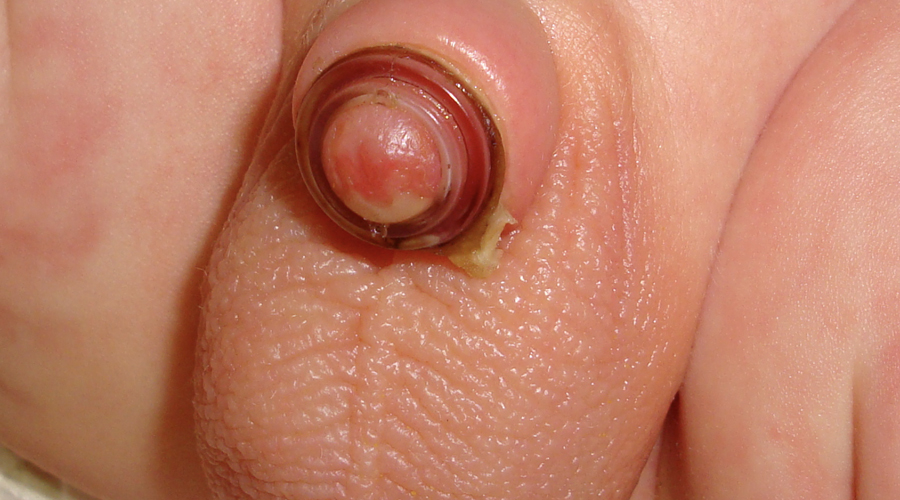
Circumcision Surgery
Circumcision is a surgical procedure involving the removal of the foreskin from the penis. It is performed for medical, hygiene, and cultural reasons. Medical indications include phimosis, recurrent balanitis, paraphimosis, and urinary tract infections related to foreskin issues.
Medical Indications for Circumcision
Phimosis — inability to retract the foreskin.
Recurrent balanitis (infection or inflammation of the foreskin/glans).
Paraphimosis — foreskin trapped behind the glans.
Recurrent urinary tract infections linked to foreskin problems.
Penile skin conditions such as lichen sclerosus.
How Is the Procedure Performed?
Circumcision is performed under local or general anaesthesia depending on the patient's age and preference.
Preoperative preparation: The surgical site is cleaned and anaesthesia is administered.
Foreskin removal: The surgeon carefully removes the foreskin using a precise surgical technique.
Closure: The wound edges are sutured with absorbable stitches.
Dressing: A protective dressing is applied.
Benefits of Circumcision
Permanent resolution of phimosis and recurrent infections.
Improved penile hygiene.
Reduced risk of certain infections and conditions.
Day-care procedure with a short recovery time.
Recovery After Circumcision
Most patients go home the same day after the procedure.
Some swelling, bruising, and discomfort in the first few days is normal.
Keep the area clean and change dressings as instructed.
Avoid strenuous activity and sexual activity for the period recommended by your surgeon.
Take prescribed medications including pain relief and antibiotics as directed.
Attend all follow-up appointments.
Contact your surgeon if you experience heavy bleeding, signs of infection, or difficulty urinating.