
Mauli Multispeciality Clinic
Shop No. 1, Tara Banglow, Near Shri Sai Shyam Mandir, Hendre Pada, Badlapur West, Maharashtra 421503
Call Us
(+91) 9225128191
Email Us
dravinashbhise@gmail.com
(+91) 9225128191
dravinashbhise@gmail.com
Fibroadenoma & Breast Surgery
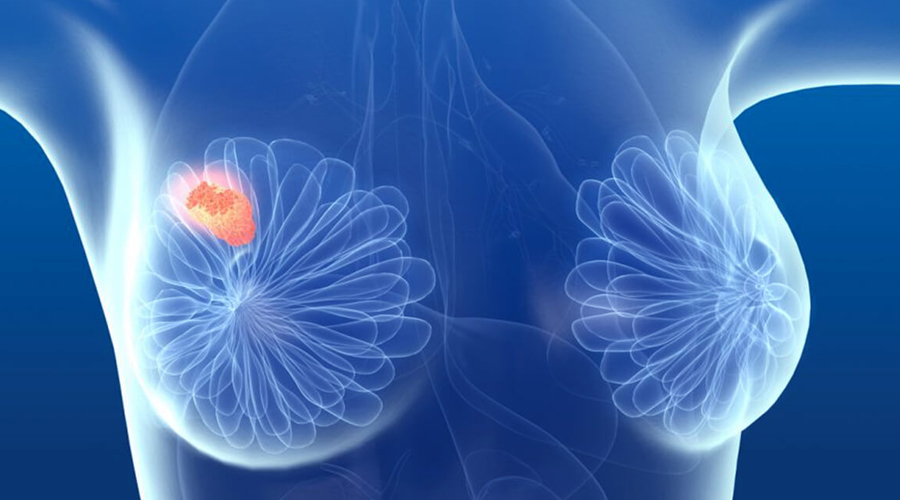
Fibroadenoma & Breast Surgery
A fibroadenoma is the most common benign (non-cancerous) breast lump, occurring most frequently in women in their 20s and 30s. It is composed of glandular and fibrous tissue. While many fibroadenomas can be safely monitored, surgical excision is recommended in certain situations for diagnosis or relief of symptoms.
When Is Surgery Recommended?
The lump is growing in size.
The lump is large (usually greater than 3 cm).
There is uncertainty about the nature of the lump (to rule out malignancy).
The lump is causing pain, discomfort, or anxiety.
The patient prefers surgical removal.
Biopsy results suggest a complex or atypical fibroadenoma.
Diagnostic Work-Up Before Surgery
Clinical examination: Thorough assessment of the breast lump.
Ultrasound or mammogram: Imaging to characterise the lump.
Core needle biopsy: A tissue sample may be taken to confirm the diagnosis before surgical planning.
How Is the Surgery Performed?
Fibroadenoma excision is typically performed under local or general anaesthesia.
A small incision is made close to the lump, preferably in a natural skin crease for minimal scarring.
The fibroadenoma is carefully excised with a margin of surrounding tissue.
The wound is closed with absorbable or removable sutures.
The excised tissue is sent for histopathological analysis.
Recovery After Breast Surgery
Most patients are discharged the same day or the following morning.
Wear a well-supporting bra as advised to minimise discomfort and swelling.
Keep the wound clean and dry as instructed.
Avoid strenuous arm movements and heavy lifting during the initial healing period.
Attend follow-up to review histopathology results and wound healing.
Any new breast lump, change in breast shape, nipple discharge, or skin changes should be evaluated promptly by a doctor.