
Mauli Multispeciality Clinic
Shop No. 1, Tara Banglow, Near Shri Sai Shyam Mandir, Hendre Pada, Badlapur West, Maharashtra 421503
Call Us
(+91) 9225128191
Email Us
dravinashbhise@gmail.com
(+91) 9225128191
dravinashbhise@gmail.com
Fissure Surgery
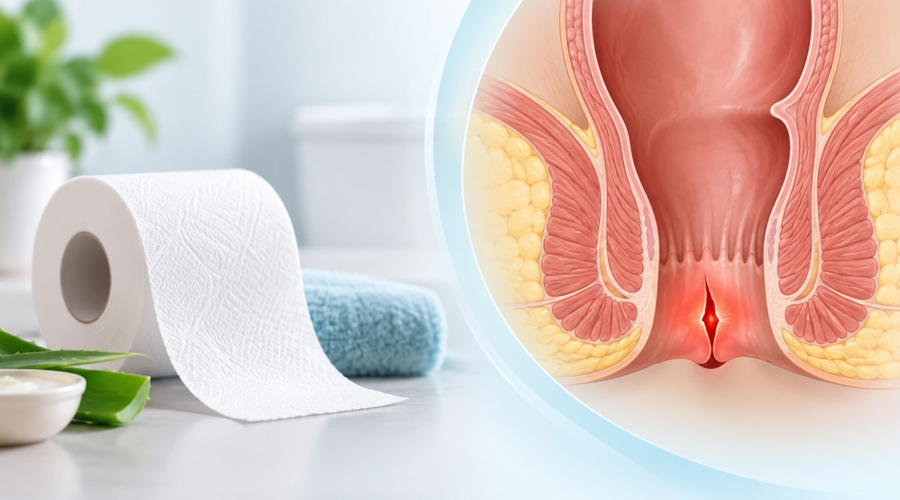
Fissure Surgery
An anal fissure is a small tear or crack in the lining of the anus, often caused by hard or large stools, chronic constipation, or diarrhoea. While acute fissures may heal with conservative treatment, chronic fissures frequently require surgical intervention.
Symptoms of an Anal Fissure
Sharp, severe pain during and after bowel movements.
Bright red blood on toilet paper or in the toilet bowl after passing stool.
A visible crack or tear in the skin around the anus.
Burning or itching sensation in the anal region.
A small lump or skin tag near the fissure in chronic cases.
Treatment Options
Conservative treatment: High-fibre diet, increased water intake, stool softeners, sitz baths, and topical anaesthetic or nitrate creams for acute fissures.
Botox injection: Injection of botulinum toxin into the internal anal sphincter to relieve spasm and promote healing.
Lateral internal sphincterotomy (LIS): The most effective surgical treatment — a small cut in the internal anal sphincter muscle relieves spasm and allows the fissure to heal.
Laser fissurectomy: Minimally invasive removal of the fissure tissue using a laser with less pain and faster recovery.
How Is the Surgery Performed?
Fissure surgery is usually performed under local or spinal anaesthesia as a day-care procedure.
The surgeon makes a precise incision to release the sphincter spasm or removes the fissure tissue.
The procedure typically takes 20–30 minutes.
The patient is monitored briefly and discharged the same day.
Recovery After Fissure Surgery
Some pain and mild bleeding in the first few days is expected.
Sitz baths (warm water soaks) two to three times a day help relieve discomfort.
Maintain a high-fibre diet and drink plenty of fluids to avoid constipation.
Take prescribed medications as directed.
Avoid prolonged sitting and heavy lifting during recovery.
Attend follow-up appointments for wound assessment.
Contact your surgeon if you experience heavy bleeding, fever, or inability to pass urine or stool.