
Mauli Multispeciality Clinic
Shop No. 1, Tara Banglow, Near Shri Sai Shyam Mandir, Hendre Pada, Badlapur West, Maharashtra 421503
Call Us
(+91) 9225128191
Email Us
dravinashbhise@gmail.com
(+91) 9225128191
dravinashbhise@gmail.com
Phimosis Surgery
Phimosis Surgery
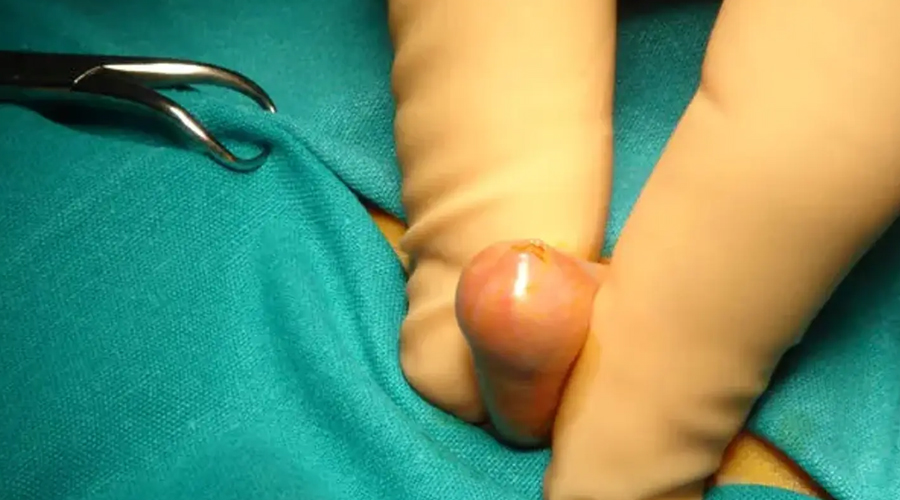
Phimosis is a condition in which the foreskin of the penis cannot be fully retracted over the head. While physiological phimosis is normal in young boys, pathological phimosis in older boys and adults may cause pain, difficulty with hygiene, and urinary problems, often requiring surgical treatment.
Symptoms of Phimosis
Inability to retract the foreskin fully or partially.
Pain or discomfort during erections or sexual activity.
Difficulty in maintaining penile hygiene.
Recurrent infections under the foreskin (balanitis).
Reduced urine flow or a thin, weak stream in severe cases.
Important: Untreated phimosis can lead to recurrent infections and complications. Early evaluation is recommended.
Treatment Options
Topical steroid cream: Mild cases may respond to steroid cream applied to the tight foreskin over several weeks.
Preputioplasty: A minor surgical procedure to widen the foreskin opening while preserving the foreskin.
Circumcision: Surgical removal of the foreskin, offering a permanent solution for pathological phimosis.
How Is the Surgery Performed?
The procedure is performed under local or general anaesthesia depending on the patient's age and preference.
The surgeon carefully removes or widens the foreskin as planned.
The area is sutured with absorbable stitches.
A dressing is applied and post-operative instructions are provided.
Recovery After Phimosis Surgery
Most patients return home the same day.
Keep the area clean and follow wound-care instructions carefully.
Avoid sexual activity and strenuous exercise for the advised period.
Take prescribed pain relief and antibiotics as directed.
Attend follow-up appointments to monitor healing.
Contact your surgeon if you experience excessive bleeding, increasing pain, swelling, or signs of infection.