
Mauli Multispeciality Clinic
Shop No. 1, Tara Banglow, Near Shri Sai Shyam Mandir, Hendre Pada, Badlapur West, Maharashtra 421503
Call Us
(+91) 9225128191
Email Us
dravinashbhise@gmail.com
(+91) 9225128191
dravinashbhise@gmail.com
Piles (Hemorrhoids) Treatment
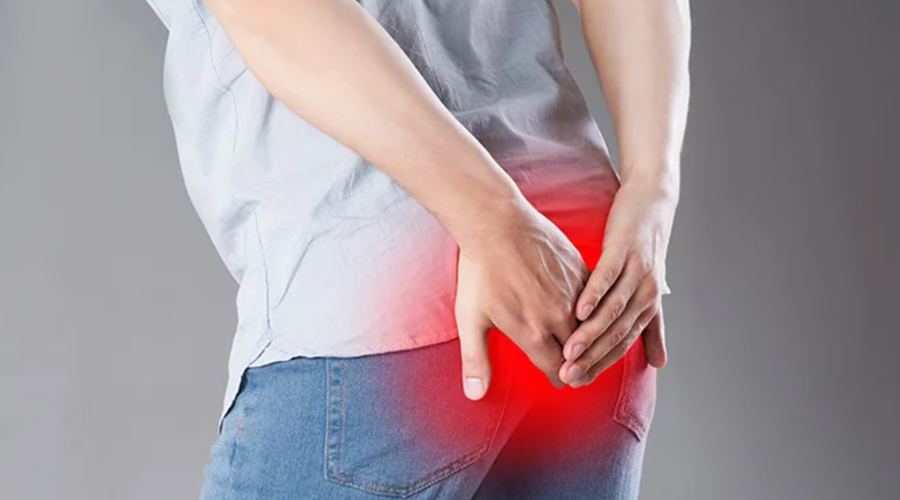
Piles (Hemorrhoids) Treatment
Piles, or haemorrhoids, are swollen and inflamed veins in the rectum and anus. They can be internal (inside the rectum) or external (under the skin around the anus). Treatment ranges from lifestyle changes and medications to minimally invasive procedures and surgery, depending on the grade and severity.
Common Symptoms of Piles
Painless bright red bleeding during or after bowel movements.
Itching, irritation, or discomfort around the anal area.
Pain or discomfort, especially when sitting.
Swelling or a lump around the anus.
A feeling of incomplete bowel emptying.
Mucus discharge after passing stool.
Important: Rectal bleeding should always be evaluated by a doctor to rule out other conditions including colorectal cancer.
Treatment Options
Conservative management: Dietary changes (high-fibre diet), increased fluid intake, stool softeners, and sitz baths for mild cases.
Rubber band ligation: A rubber band is placed around the base of the haemorrhoid to cut off its blood supply.
Sclerotherapy: A chemical solution is injected to shrink the haemorrhoid.
Laser treatment: A precise laser is used to coagulate the haemorrhoid tissue with minimal pain and quick recovery.
Haemorrhoidectomy: Surgical removal of large or severe haemorrhoids that do not respond to other treatments.
Stapled haemorrhoidopexy: A circular stapling device repositions and removes part of the haemorrhoidal tissue.
Recovery After Piles Treatment
Follow a high-fibre diet and drink plenty of water to keep stools soft.
Take medications as prescribed by your doctor.
Avoid prolonged sitting on the toilet and straining during bowel movements.
Sitz baths (warm water soaks) may relieve discomfort during healing.
Attend follow-up appointments to monitor recovery.
Seek medical attention if you experience heavy bleeding, severe pain, or fever after treatment.