
Mauli Multispeciality Clinic
Shop No. 1, Tara Banglow, Near Shri Sai Shyam Mandir, Hendre Pada, Badlapur West, Maharashtra 421503
Call Us
(+91) 9225128191
Email Us
dravinashbhise@gmail.com
(+91) 9225128191
dravinashbhise@gmail.com
CLW Suturing & Dressing
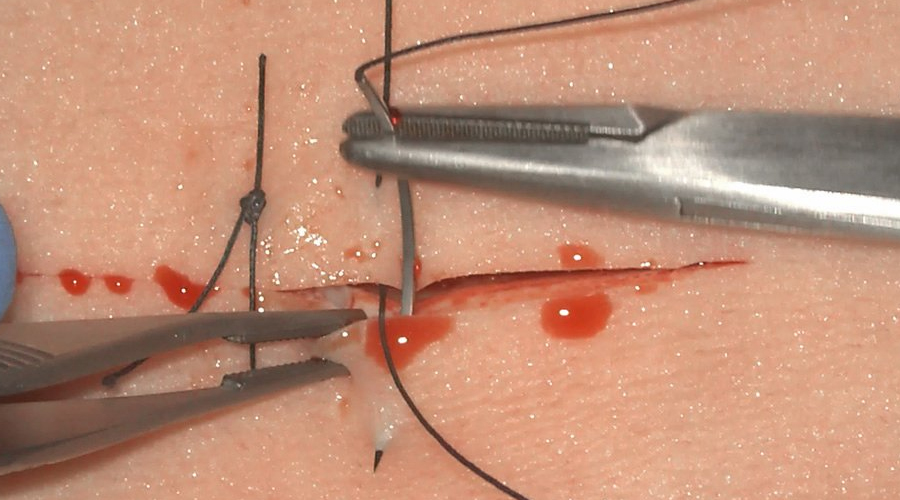
CLW Suturing & Dressing
CLW stands for Cut Lacerated Wound — an open wound caused by a sharp object, fall, or blunt trauma. Proper suturing (stitching) and dressing of such wounds is critical to promote healing, prevent infection, and minimise scarring. Prompt and skilled wound closure by a trained surgeon ensures the best possible outcome.
When Should a Wound Be Sutured?
The wound is deep and has gaping edges that do not close naturally.
Bleeding that does not stop with simple pressure.
The wound is longer than approximately 2 cm.
The wound is located on the face, hand, or over a joint where appearance or function matters.
The wound is contaminated and requires thorough cleaning before closure.
Important: Wounds should ideally be sutured within 6–8 hours of injury (golden period) to reduce the risk of infection and ensure proper healing.
Our Wound Care Process
Assessment: The wound is thoroughly evaluated for depth, contamination, and involvement of underlying structures (tendons, nerves, or blood vessels).
Cleaning and irrigation: The wound is cleaned with antiseptic solution and irrigated to remove debris and bacteria.
Anaesthesia: Local anaesthetic is administered to ensure a painless procedure.
Debridement: Devitalised tissue is removed if present.
Suturing: The wound is closed in layers using appropriate suture material for the site and depth.
Dressing: A sterile dressing is applied to protect the wound.
Tetanus prophylaxis: A tetanus injection is given if the patient's immunisation is not up to date.
Recovery and Wound Care at Home
Keep the wound clean and dry for at least 24–48 hours after suturing.
Change dressings as instructed by your surgeon.
Take prescribed antibiotics and pain relief as directed.
Avoid submerging the wound in water (swimming or bathing) until cleared by your doctor.
Attend follow-up for suture removal — typically 5–14 days depending on the wound location.
Seek immediate medical attention if the wound becomes increasingly red, swollen, discharges pus, or if you develop a fever.