
Mauli Multispeciality Clinic
Shop No. 1, Tara Banglow, Near Shri Sai Shyam Mandir, Hendre Pada, Badlapur West, Maharashtra 421503
Call Us
(+91) 9225128191
Email Us
dravinashbhise@gmail.com
(+91) 9225128191
dravinashbhise@gmail.com
Hernia Surgery
Hernia Surgery
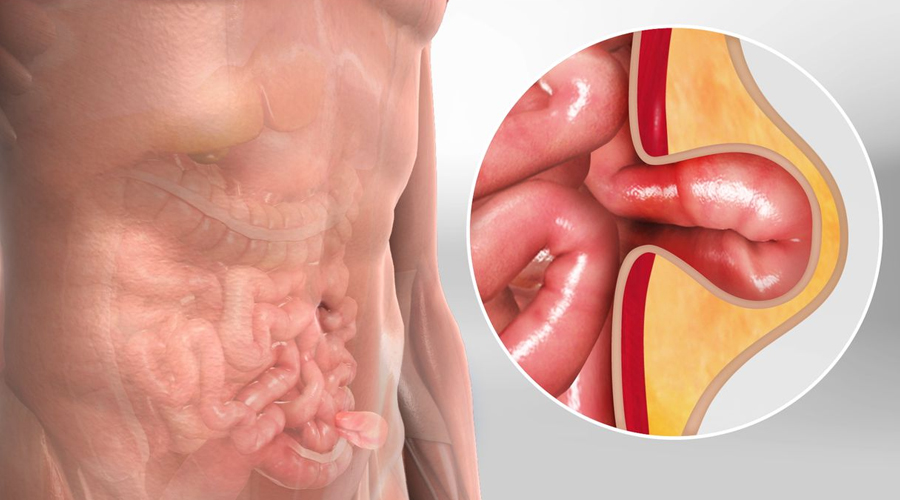
A hernia occurs when an internal organ or tissue pushes through a weak spot in the surrounding muscle or connective tissue. Common types include inguinal, umbilical, incisional, and femoral hernias. Surgery is often the recommended treatment to repair the defect and prevent complications.
Common Symptoms of a Hernia
A visible bulge or lump in the affected area, often more noticeable when standing or straining.
Pain or discomfort at the site of the bulge, especially when bending, coughing, or lifting.
A feeling of heaviness or dragging sensation in the groin or abdomen.
Weakness or pressure in the abdominal or groin area.
Important: If the hernia becomes hard, tender, or cannot be pushed back in, seek emergency medical care immediately as this may indicate strangulation.
How Is Hernia Surgery Performed?
Hernia repair can be done using open or laparoscopic (keyhole) techniques, depending on the type and size of the hernia and the patient's overall health.
Laparoscopic repair: Small incisions are made, and a mesh is placed to reinforce the weakened tissue with minimal disruption.
Open repair: A single larger incision is made directly over the hernia site, the bulging tissue is pushed back, and the opening is stitched closed, often with mesh reinforcement.
Benefits of Laparoscopic Hernia Repair
Smaller scars and less tissue damage.
Reduced postoperative pain.
Shorter hospital stay and faster recovery.
Lower risk of recurrence with mesh reinforcement.
Recovery After Hernia Surgery
Most patients return home the same day or after an overnight stay.
Avoid heavy lifting and strenuous activity for the period recommended by your surgeon.
Follow wound-care instructions carefully to prevent infection.
Gradually increase activity levels as healing progresses.
Attend all scheduled follow-up appointments.
Report any fever, increased swelling, redness, or discharge from the wound to your doctor promptly.