
Mauli Multispeciality Clinic
Shop No. 1, Tara Banglow, Near Shri Sai Shyam Mandir, Hendre Pada, Badlapur West, Maharashtra 421503
Call Us
(+91) 9225128191
Email Us
dravinashbhise@gmail.com
(+91) 9225128191
dravinashbhise@gmail.com
Fistula Surgery
Fistula Surgery
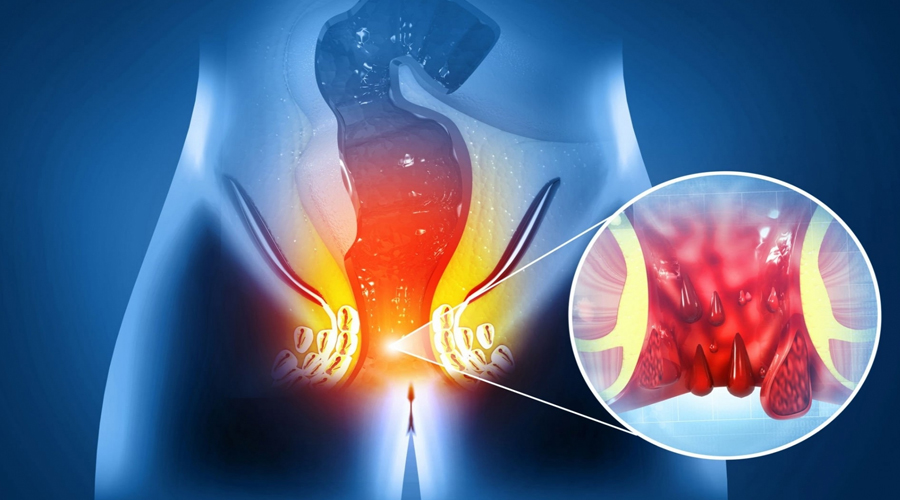
An anal fistula is an abnormal tunnel-like tract that forms between the inside of the anal canal and the skin near the anus, usually as a result of a previous anal abscess. Fistulas rarely heal on their own and almost always require surgical treatment.
Symptoms of an Anal Fistula
Persistent pain, swelling, and tenderness around the anus.
Discharge of pus or blood-stained fluid near the anus.
Irritation and itching of the skin around the anus.
Pain during bowel movements.
A previous history of anal abscess that was drained.
Fever in the presence of active infection.
Surgical Treatment Options
Fistulotomy: The fistula tract is surgically opened and laid flat to allow it to heal from the inside out. Suitable for simple low fistulas.
Seton placement: A surgical thread (seton) is placed through the fistula tract and tightened gradually. Used for complex or high fistulas to protect sphincter function.
LIFT procedure (Ligation of Intersphincteric Fistula Tract): The fistula tract is tied off and removed in the intersphincteric space, preserving sphincter muscles.
Video-Assisted Anal Fistula Treatment (VAAFT): A minimally invasive approach using a small scope to visualise and treat the fistula tract.
Laser fistula treatment: The fistula tract is ablated using a laser probe, offering minimal pain and faster healing.
Recovery After Fistula Surgery
Recovery time varies depending on the type and complexity of the fistula and the procedure performed.
Keep the wound clean and follow dressing instructions carefully.
Sitz baths help relieve discomfort and promote healing.
Maintain a high-fibre diet and stay well hydrated to prevent straining.
Avoid heavy lifting and strenuous activity during the healing period.
Regular follow-up appointments are essential to monitor healing.
Contact your doctor immediately if you experience heavy bleeding, fever, severe pain, or faecal incontinence.