
Mauli Multispeciality Clinic
Shop No. 1, Tara Banglow, Near Shri Sai Shyam Mandir, Hendre Pada, Badlapur West, Maharashtra 421503
Call Us
(+91) 9225128191
Email Us
dravinashbhise@gmail.com
(+91) 9225128191
dravinashbhise@gmail.com
Post-operative Care
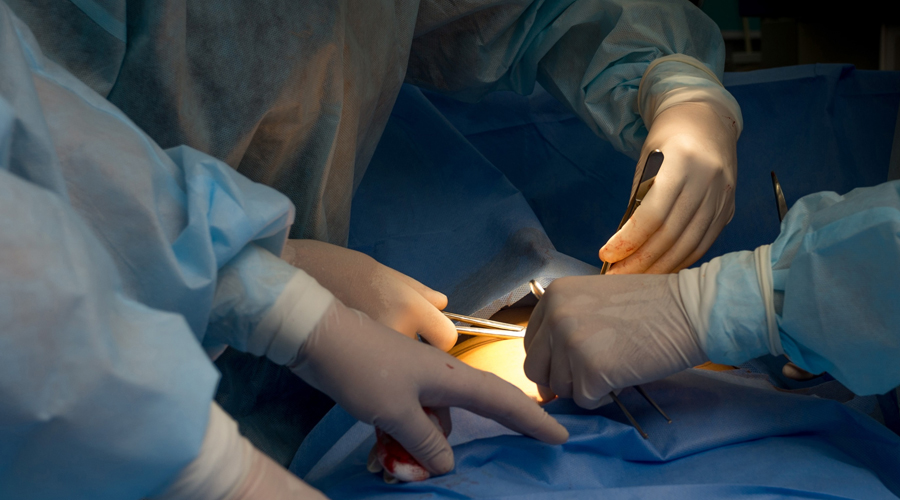
Post-operative Care
Post-operative care is the medical and nursing care provided after a surgical procedure to support safe recovery, prevent complications, and promote healing. Good post-operative management is just as important as the surgery itself in achieving the best possible outcome for the patient.
What Does Post-operative Care Include?
Monitoring and recovery: Vital signs, pain levels, and wound status are closely monitored in the immediate post-operative period.
Pain management: Appropriate analgesics are prescribed to keep pain under control and allow comfortable recovery.
Wound care: Regular dressing changes and wound inspection to ensure clean healing and detect any early signs of infection.
Medication management: Prescriptions for antibiotics, anti-inflammatory drugs, or other medications as required.
Drain management: Where surgical drains are placed, they are monitored and removed at the appropriate time.
Suture or staple removal: Performed at the appropriate time depending on the wound site and healing progress.
Physiotherapy and mobilisation: Early, guided movement where appropriate to prevent complications such as blood clots.
Dietary guidance: Nutritional advice tailored to the type of surgery performed.
Follow-up appointments: Scheduled visits to assess recovery, review results, and address any concerns.
General Post-operative Instructions
Take all prescribed medications exactly as instructed — do not stop early without medical advice.
Keep all wounds clean and dry; change dressings as advised.
Avoid strenuous physical activity, heavy lifting, and driving until cleared by your surgeon.
Follow any dietary restrictions or recommendations specific to your surgery.
Stay well hydrated and eat a nutritious balanced diet to support healing.
Get adequate rest — recovery takes time and effort.
Attend all scheduled follow-up appointments without delay.
Warning Signs — Seek Immediate Medical Attention If You Experience:
High fever (temperature above 38.5°C / 101.3°F).
Increasing pain not controlled by prescribed medication.
Redness, swelling, warmth, or discharge from the wound.
Heavy or uncontrolled bleeding from the wound or surgical site.
Difficulty breathing, chest pain, or palpitations.
Persistent vomiting or inability to take oral fluids.
Swelling, redness, or pain in the calf (may indicate a blood clot).
Our team is available to address any concerns during your recovery. Never hesitate to contact us if something does not feel right after your surgery.