
Mauli Multispeciality Clinic
Shop No. 1, Tara Banglow, Near Shri Sai Shyam Mandir, Hendre Pada, Badlapur West, Maharashtra 421503
Call Us
(+91) 9225128191
Email Us
dravinashbhise@gmail.com
(+91) 9225128191
dravinashbhise@gmail.com
Pilonidal Sinus Treatment
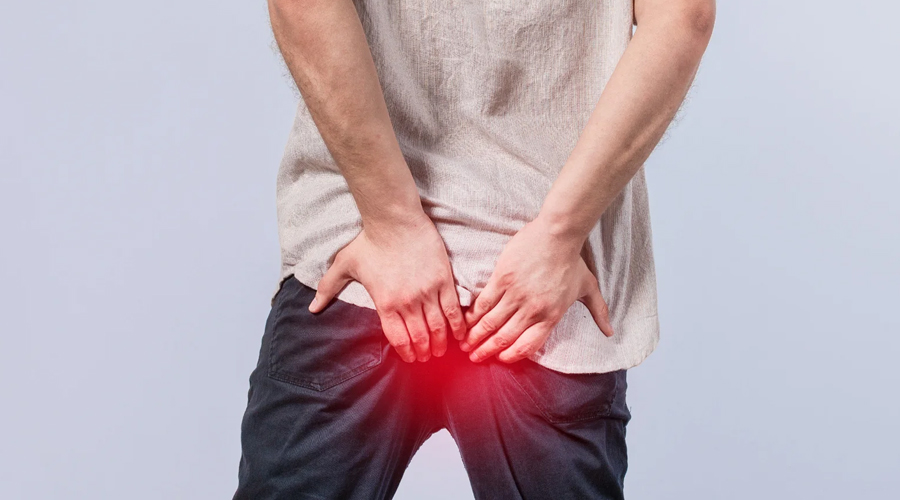
Pilonidal Sinus Treatment
A pilonidal sinus is a small tunnel or tract in the skin at the top of the cleft of the buttocks (near the tailbone). It often contains hair and skin debris and can become infected, forming a painful abscess. Surgical treatment is the most effective way to prevent recurrence.
Symptoms of a Pilonidal Sinus
Pain and swelling at the top of the buttock cleft.
Redness and tenderness over the affected area.
Discharge of pus or blood from the sinus opening.
A small dimple or pit in the skin near the tailbone.
Fever in the presence of an acute abscess.
Foul-smelling discharge in some cases.
Treatment Options
Incision and drainage: For acute pilonidal abscess — the abscess is drained under local anaesthesia to provide immediate relief.
Pit picking (Bascom procedure): Minimally invasive removal of the pit openings and sinus tracks with minimal tissue excision.
Wide excision: Surgical removal of the entire sinus tract and surrounding tissue, with the wound left open to heal or closed primarily.
Laser pilonidal sinus treatment: The sinus tract is ablated using a laser probe, offering a minimally invasive option with reduced recovery time.
Flap procedures (e.g., Karydakis, Limberg flap): Recommended for recurrent or complex cases — the sinus is excised and the defect closed with a tissue flap.
Recovery After Pilonidal Sinus Treatment
Recovery time varies depending on the procedure performed.
Keep the wound clean and change dressings as instructed.
Hair removal around the area (shaving or laser) is important to prevent recurrence.
Avoid prolonged sitting and strenuous activity during healing.
Maintain good personal hygiene in the area.
Regular follow-up is essential to monitor wound healing.
Contact your surgeon if you notice increasing pain, swelling, fever, or signs of wound infection.